The Toronto Tempo’s inaugural season in the WNBA was full of twists and turns – particularly when it came to injuries – but they got something positive out of it all. Heading into Sunday’s WNBA Draft Lottery, the Tempo are tied for the best odds to draw the No. 1 pick in the 2027 draft.
There are seven spots in the WNBA’s lottery this season, made up of the seven teams that did not make the 2026 playoffs. Based on each team’s two-year regular-season record, they are ranked and then assigned a certain number of lottery ball combinations based on that ranking. The more combinations you have, the better your odds of being drawn in the No. 1 spot.
Toronto was in a particularly lucky spot this season, given that they only had one year of games to count towards their odds. They ended up tying the Houston Comets (formerly the Connecticut Sun) for the top odds in Sunday’s lottery, and each team has a 32.9 per cent chance of getting the No. 1 pick.
Watch the 2027 WNBA Draft Lottery live on TSN Premium on Sunday at 7:30 p.m. ET
After the Tempo and Comets, the order of best odds is the Washington Mystics (who own the Chicago Sky’s pick), the Seattle Storm, the Portland Fire, the Los Angeles Sparks, and then the Sparks again (because they own the Phoenix Mercury’s pick). The lowest pick the Tempo could draw on Sunday is No. 4.
All eyes are on that No. 1 pick, though, as the current expected top prospect is guard JuJu Watkins out of the University of Southern California. Watkins, who just returned to the court after missing last season to recover from ACL surgery, is a franchise-shifting player who has been on the draft radar since long before she even stepped onto USC’s campus.
“We started this process probably three, four years ago,” Tempo general manager Monica Wright Rogers said to TSN. “Those of us who are real scouts, we’ve been watching these prospects for years. When I was a college coach, I first saw JuJu play when she was 13 years old.”
Three games into her redshirt junior season, Watkins is already putting up numbers. She has scored more than 20 points in each game and scored 32 points with 16 rebounds, six assists, five steals, and one block against Utah State. In her two (and a bit) seasons at USC, she’s averaging 24.3 points, 7.1 rebounds, 3.4 assists, 2.3 steals, and 1.7 blocks per game.
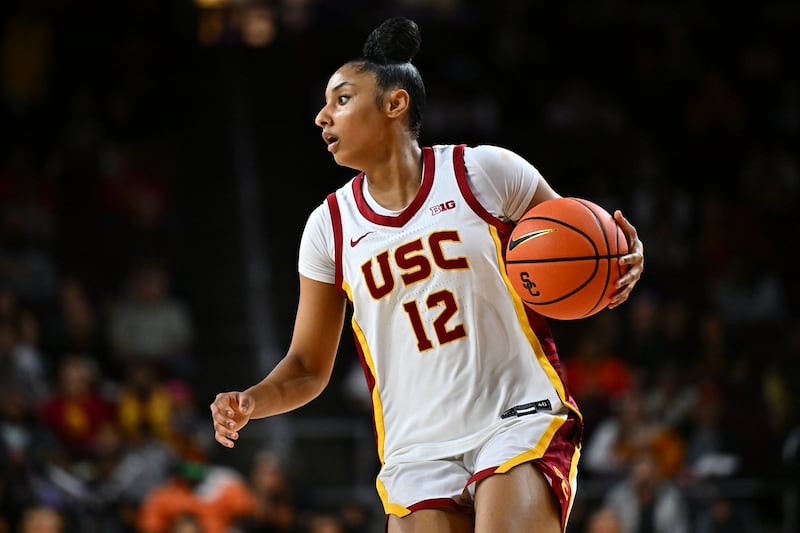
Watkins is not guaranteed to be available for this draft, though. On top of the fact that she missed her junior season with an injury, the NCAA recently passed a new rule allowing all players five years of eligibility regardless of years played or missed. Watkins and most other prospects who could declare for the 2027 draft have a choice to make: head to the WNBA or play another year in college.
Regardless of the five-year rule, the WNBA has its own rules on who is eligible to declare for the draft, which are different from those of the NBA.
In the WNBA, draftees coming from the NCAA have to be turning 22 years old in the calendar year they are drafted and be graduating from a four-year college program. International rules are different, with those prospects draft-eligible at 19 years old.
Still, the question of who will be available becomes complicated with the new five-year rule. With NIL income in the NCAA growing each year, some players are making a lot of money at the college level. They need to decide what is best for them, and there isn’t a clear-cut answer – especially for top prospects in the lottery who will make a lot of money as WNBA players.
This also complicates the draft process for WNBA front offices, who have to try to predict who will be available to draft. Most players won’t make a public decision until the weeks or even days before April’s WNBA draft. The April 12 draft is only eight days after the NCAA championship game on April 4.
“We started seriously discussing this draft class last season,” Wright Rogers said. “We’re consistently talking with college coaches and agents, trying to understand the route that these players want to take. We have to be constantly scouting.”
It’s also still early in the college season, with a lot of time for players to change their minds either way, weigh their options, and talk with the WNBA teams in the range they are predicted to go in the draft. Some of that will become clearer once the lottery order is solidified.

“We’re not completely blind, but I don’t think that any player has indicated what they plan to do,” Wright Rogers said. “So, we’re approaching it with that as a variable.”
The Tempo believe they have a good pitch for both draftees and free agents alike this off-season. When it comes to atmosphere, many players who came to Toronto for the first time on visiting teams enjoyed the city. The Tempo can also present players with unique business opportunities being in Canada, and the team itself continues to invest in player experience.
“We have a player-first culture here, and that’s one thing that our players spoke very positively about after the season,” Wright Rogers said. “They feel heavily that they come first, and I think that’s what you see out on the floor every night.”
Watkins aside, the Tempo will be able to draft a talented player regardless of where they land in the lottery.
The Tempo’s biggest need is front-court depth, and that could be addressed by choosing forward Madison Booker out of Texas with the No. 2 or No. 3 pick in the draft. While a smaller forward, Booker’s defensive skill is something the Tempo will be keen to add to their roster.
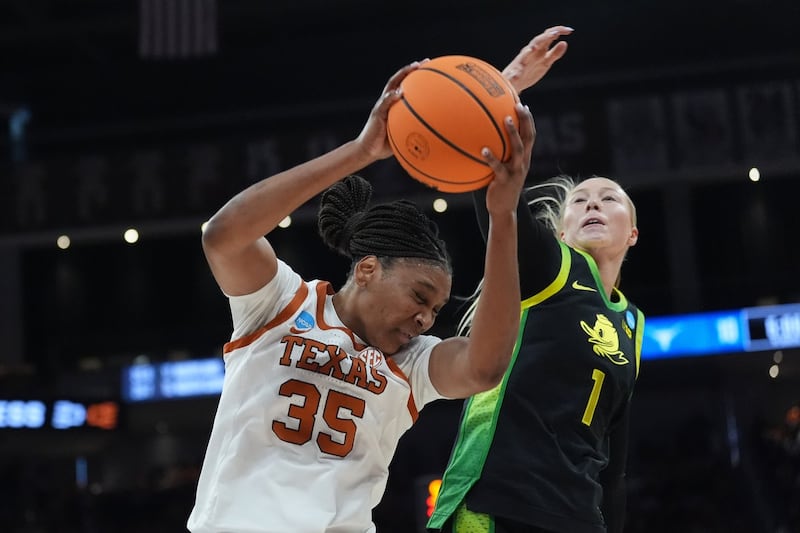
She’s averaged more than 15 points per game in all three of her previous seasons at Texas, and this season is off to a great start with 30- and 24-point performances in her first two games. She’s averaged 6.1 rebounds per game throughout her collegiate career as well, another skill the Tempo are vocal about wanting to improve.
Hannah Hidalgo will be another name floated around, despite the Tempo being guard-heavy already. What the 5-foot-7 Notre Dame guard lacks in size, she makes up for with defensive aggression, creative scoring ability, and playmaking. Her career 24.0 points, 6.1 rebounds, 4.1 rebounds, 4.8 assists and 4.7 steals per game are impressive.
“We’ve had discussions this off-season about how we finished our season, the roster, and we want to stay flexible,” Wright Rogers says of whether they will draft the best available or based on roster need. “We are looking to elevate whatever our roster needs in whatever area – with the draft, there’s ample opportunity to do that with the talent we foresee coming out.”
Being a team that needs front court depth in a guard-heavy draft year is a unique challenge. Depending on who decides to declare, and how the college season goes, Clara Strack out of Kentucky is another interesting prospect for the Tempo. The 6-foot-5 centre has averaged 12.5 points and 8.0 rebounds throughout her career at Kentucky and Virginia Tech, and boasts the most size of all projected first-round picks.
Strack has impressed in her senior season so far, scoring 24 points, 8 rebounds, 4 assists, and 2 blocks while shooting 3-for-7 from three-point range during a top-25 game versus North Carolina State on Nov. 8. She could easily jump up into the lottery and be picked by a team that needs size.
The Tempo get to go through free agency first in February before having to make any draft decisions in April, which should help narrow their choices down. While there aren’t too many centres available as free agents this winter, there are some good choices.
Napheesa Collier will be the most sought-after free agent of the year, but she has options – a star of her calibre can go wherever she chooses and any team will welcome her.
Awak Kuier is arguably the best true centre available, but she is a restricted free agent, which means the Dallas Wings can match any offer she gets. The Tempo were burned by this rule last off-season, taking a swing at Shakira Austin before the Washington Mystics matched their offer and took her back. Perhaps that could cause them to take an even bigger swing at Kuier and try to outprice the Wings.
Laeticia Amihere, who just became the second Canadian to win a WNBA championship with the Valkyries, is also a restricted free agent. Las Vegas has the reserved rights to Justine Pissot, but at 6-foot-4, her size could impact the Tempo’s roster.
Of course, the results of Sunday’s draft could also tempt the Tempo to test out the trade market. They were active at the deadline this summer, trading away the rights to Maria Kliundikova for Aneesah Morrow, a young prospect they can develop over time.
If the Tempo get the No. 1 pick and plan to draft Watkins, they could trade another one of their guards in a package to bring in some front-court talent. All of Marina Mabrey, Brittney Sykes and Julie Allemand are on guaranteed contracts for 2027, and Allemand could be an option to send out in exchange for a front-court player on another team.
As for the Tempo’s goals for the off-season, outside of roster improvement, they are focused on avoiding another injury-heavy season next year.
“Overall, we would love to ensure that we start the season in a better spot in terms of injury. I think it’s no secret that we need to really elevate player availability rate,” Wright Rogers said of other things the franchise is working on during the off-season. “That’s been my main focus this off-season – finding different ways to creatively ensure that we have that next season.”
Sunday’s draft lottery kicks off the official start to the Tempo’s off-season and roster construction ahead of their second season. The Tempo front office and fans alike (some gathered at an official watch party hosted by the team) will be eagerly waiting to see if the lottery balls work in Toronto’s favour.