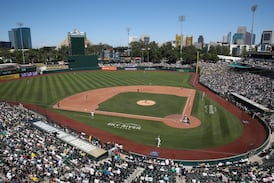
It’s Men’s College World Series time in Omaha!
This tournament’s MLB draft prospect list isn’t quite as good as last year’s, which featured my top prospect for the 2025 draft, the likely No. 1 pick in the upcoming 2026 draft and a player with a real shot at being the No. 1 pick in next year’s draft. I also just recently ranked the top 10 most talented college baseball programs when it comes to pro prospects on their current rosters and, while it might sound unusual, none of them made it to Omaha this year.
But there is still a lot to like about this MCWS field: Texas was close to making that list, and, after some updates to underclass rankings, the Longhorns are 10th now. There are a number of blue-blood programs left in this bracket, and all of these schools rank among the top 30 programs by pro talent; yes, even Troy (you’ll see why in a moment). There just isn’t quite as much top-of-the-draft talent in this group as in years’ past, though all of these players ranked below should go by the middle of the third round.
Here are my top 15 draft prospects in this year’s field along with a team-by-team prospect breakdown.
Top MLB draft prospects in the MCWS
1. Jimmy Janicki, C, Troy (2027)
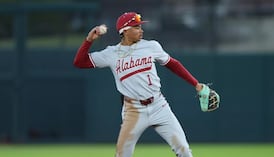
2. Justin Lebron, SS, Alabama
3. Cade Townsend, RHP, Mississippi
4. Daniel Jackson, C, Georgia
5. Dylan Volantis, LHP, Texas (2027)
6. Gavin Kelly, C/2B, West Virginia (2027)
7. Taylor Rabe, RHP, Mississippi
8. Aiden Robbins, CF, Texas
9. Carson Tinney, C, Texas
10. Jake Schaffner, SS, North Carolina
11. Adrian Rodriguez, SS, Texas (2027)
12. Joey Volchko, RHP, Georgia
13. Ryan Lynch, RHP, North Carolina
14. Jason DeCaro, RHP, North Carolina
15. Brendan Brock, C/OF, Oklahoma
Alabama Crimson Tide
Top prospect: Justin Lebron, SS
Lebron is the big name here, even though his 2026 season hasn’t lived up to the lofty preseason expectations. He’s a plus runner and strong defender with a plus arm and above-average raw power along with the ability to get to that power in games. His contact rate suffers as his steeper plane limits how long his bat is in the strike zone, so he struggles against good fastballs at the top of the zone, a very common pitch these days. He won’t need a swing rework in pro ball, but some subtle shifts in his timing and swing plane could address this.
RHP Myles Upchurch (2028) is an interesting young arm, but much of the pro talent on Alabama’s roster fits outside of the top three rounds: C Brady Neal, RHP Tyler Fay, and LHP Zane Adams.
Georgia Bulldogs
Top Prospect: Daniel Jackson, C
Jackson has been red-hot of late and has been slowly gaining all spring on more hyped SEC catcher Ryder Helfrick of Arkansas. Jackson now seems like he’ll go in the 20s or 30s with a shot to sneak into the teens as he has a real chance to land the Golden Spikes Award after easily winning the SEC triple crown (.396, 30 homers, 86 RBIs) and leading his team to its first trip to Omaha in 18 years.
The hesitations with Jackson are his contact rate (45 grade this season, even with his production) and his polish behind the plate (he has the tools to stick but is still improving). In an underwhelming college hitter class, there’s a lot to like here.
Right-handed pitcher Joey Volchko is unique in that he barely throws anything that moves arm side (94% cutter, sweeper, slider and curveball), and all of his breaking stuff grades as plus but plays beneath that because of the lack of diversity. With a real fastball shape and a tick more of command, he is a first-round arm and maybe a top 100 prospect in pro ball.
Left fielder Henry Allen (2027) has big raw power but also has contact issues and doesn’t play a premium position. Right-hander Jordan Stephens is up to 100 mph with lively stuff, while lefty Caleb Jameson also has above-average stuff and righty Dylan Vigue doesn’t have the command to start long term but has a fascinating pitch plot with an above-average sinker, cutter and sweeper. Center fielder Rylan Lujo fits in the top five rounds, as does third baseman Tre Phelps.
Mississippi Rebels
Top Prospect: Cade Townsend, RHP
Townsend has looked like a first-rounder all spring with his five above-average pitches (four-seam fastball, cutter, sweeper, curveball, splitter) and starter command (even though his fastball command lags a bit). With a good performance or two in Omaha, he has a shot to stand out in a muddled mix of college pitchers in the middle of the first round.
Right-hander Taylor Rabe has been rising all spring and now seems like he won’t get out of the second round, possibly getting into the comp round. His fastball sits 94-97 mph and hits 99 from a 6-foot-5 frame (he has a four- and two-seamer), and the pitch plays as plus. His cutter and slurve play above average, and he has an average changeup that he doesn’t throw much and starter command. The draft stock of these two pitchers has been converging all spring, and now Rabe could be just 10-12 picks behind Townsend when he was rounds behind at the beginning of the season.
Third baseman Judd Utermark is an intriguing senior, left-hander Wil Libbert fits inside of the top five rounds, and right-hander J.P. Robertson is just behind him.
North Carolina Tar Heels
Top Prospect: Jake Schaffner, SS
North Carolina’s roster is built around depth rather than any one superstar, with a number of players projected in the second to fourth rounds who have been carrying the Tar Heels. Schaffner lacks the high-end power and slam-dunk shortstop defensive package to sneak into the top 30 picks, but he’s a well-rounded player who won’t get out of the second round.
Center fielder Owen Hull was eligible last year out of George Mason but looks like a different player now, with higher exit velos despite similar contact rates while facing better competition and shifting to center from right field. Second baseman Gavin Gallaher is also in that area, with above-average bat-to-ball skills, average-ish power and solid secondary skills that shouldn’t get out of the fourth round.
DeCaro has pitched better than Lynch this season and has better command, but Lynch is a comparable talent with more extension and a better breaking ball, so it seems like teams slightly prefer him going forward; I think both go by the third round. Fireman right-hander Caden Glauber (2028) is the standout underclassman and still just 18 years old. Despite his gaudy numbers, he fits more in the third or fourth round right now but has two years to improve his draft stock.
Oklahoma Sooners
Top Prospect: Brendan Brock, C/OF
Brock very narrowly won the title, and you might get five different answers if you ask five different scouts. Brock is a plus to plus-plus runner and solid enough catcher but could fit better in the outfield as a pro to let his above-average power develop with limited development distractions. He is the type of somewhat raw, toolsy collegiate prospect I was referring to in my first draft buzz entry.
On the other end of the spectrum sits shortstop Jaxon Willits, the younger brother of 2025 No. 1 pick Eli Willits. Jaxon has below-average power and limited physical projection along with a likely shift to second base coming at some point in pro ball, but he has instincts to maximize his tools and can hit.
There are several Oklahoma players who could fit in Rounds 3 through 6 in the next three draft classes: third baseman Camden Johnson, center Deiten Lachance, left-hander Cord Rager (2027), left-hander Trent Collier (2027), left-hander Cameron Johnson, right-hander Kadyn Leon (2027), right-hander Nick Wesloski (2028), left-hander Gavyn Jones, right-hander Xander Mercurius (2028) and his older brother, right-hander L.J. Mercurius.
Texas Longhorns
Top Prospect: Dylan Volantis, LHP (2027)
Volantis narrowly takes the title here over center fielder Aiden Robbins with catcher Carson Tinney and shortstop Adrian Rodriguez (2027) not far behind. Right-hander Michael Winter (2028) isn’t a huge factor for the Longhorns this season as he’s learning to command the ball, but he could end up in the top 50 picks in two years because he has five above-average pitch shapes, like Mississippi righty Cade Townsend, who also didn’t throw a ton of strikes as a freshman.
Robbins is an outfield tweener with some contact issues but plus raw power. Volantis drops sinkers out of the sky while throwing almost 60% breaking balls (left-hander Haiden Leffew uses a similar playbook out of the bullpen). Tinney has the best power in the 2026 draft but is too passive, makes below-average contact and is a little raw behind the plate. Rodriguez is a solid hitter with below-average power who can run a bit and will stick in the infield long term.
Right-hander Ruger Riojas will be 23 years old soon but should go in the top 100 picks because he has four average or better pitches with starter command. Righty Thomas Burns comes out of the bullpen working 95-97 and hitting 99 mph from a high arm slot. Outfielder Anthony Pack Jr. (2028) is a plus runner with sneaky power for his size and strong on-base skills; second baseman Ethan Mendoza has a similar scouting report. Right-hander Brett Crossland (2028) still needs to sharpen his command but has a fascinating cut-fastball up to 95 mph and three more breaking ball shapes while Sam Cozart (2028) has better feel for a similar repertoire and Brody Walls (2028) might be the best prospect of the three freshman arms.
Troy Trojans
Top Prospect: Jimmy Janicki, C (2027)
Janicki might surprise you as the top prospect in Omaha because only the biggest MLB draft followers and people in the industry would know his name. He’s 6-foot-4, 231 pounds with 65-grade power (i.e., enough to project 25-30 homers in the big leagues) and the in-game power traits that show it isn’t a totally wild projection. His bat-to-ball ability is plus facing Sun Belt competition and would probably still be above average if facing better competition, though his chase rate is well below average and of concern. Defensively, he’s an above-average framer with above-average raw arm strength who still needs to improve a bit as a blocker/receiver. He’d go in the first 15 picks if he was eligible for this year’s draft and with another year to improve, could go better than that in 2027.
Catcher Jabe Boroff has been red-hot of late -- with a 1.453 OPS in his past 17 games -- and might be playing his way into some draft options. Left-hander Ben Stubbs is a solid senior with a pro future because of his 92-94 mph fastball and above-average breaking stuff.
West Virginia Mountaineers
Top Prospect: Gavin Kelly, C/2B (2027)
Kelly would go in the first round this year if he was eligible because of his combination of strong hitting, raw power and in-game power, and he has enough athleticism to be solid at multiple premium positions. Shortstop Matt Ineich (2027) will go a bit later because he doesn’t have impact power but is a steady glove with a plus hit tool.
There are two intriguing arms on the pitching staff from a pro perspective: Left-hander Maxx Yehl and right-hander Dawson Montesa. Yehl is 22 years old and missed the 2025 season because of injury but has been excellent as a starter, mixing two fastball shapes (both around average) and two power, sweeping breaking balls (both around plus) with enough traits that he might be able to stick as a starter. Montesa is just 6-foot-1, but his mid-90s fastball has a good shape and he has three average-ish off-speed pitches in a slider, curveball and changeup along with starter traits.