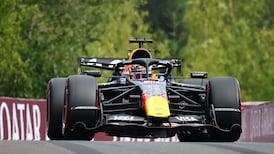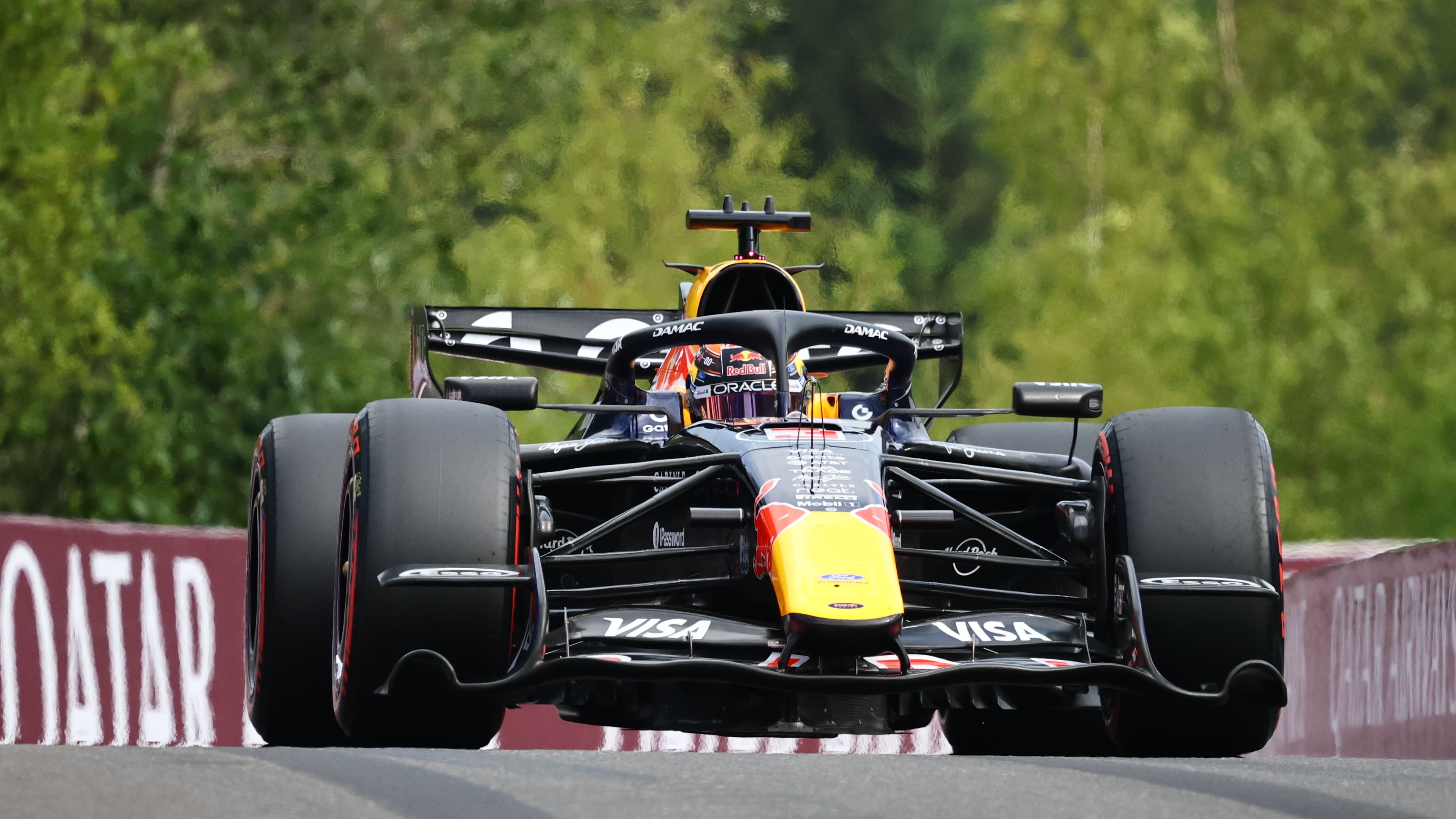
SPA-FRANCORCHAMPS, Belgium -- Max Verstappen joked someone might “shoot” him if he continues to complain about Formula 1’s new engine regulations this year, but said he’s had to “mentally readjust” when driving some of his favourite circuits in the latest generation of cars.
The four-time champion has been among the most vocal critics of the sport’s 2026 power unit regulations, which have put added emphasis on using electric power.
At circuits with long flat-out sections and limited braking zones, the battery -- which provides nearly 50 percent of peak power under the 2026 rules -- quickly becomes depleted and limits the car’s overall power output as electrical energy is recovered.
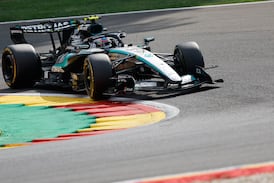
The famous Spa-Francorchamps circuit, which is home to this weekend’s Belgian Grand Prix, is an extreme example of a circuit that is considered “energy starved.”
On a typical qualifying lap at Spa, drivers use all their battery power in the first sector, meaning they need to use the section of high-speed corners in the middle sector -- including the once formidable Pouhon -- to recover energy, before they deplete the battery once more on the run between Stavelot and the final chicane.
Compared to last year’s qualifying session, Verstappen was 35 km/h (21 mph) slower through the high-speed Pouhon corner and 3.775 seconds slower over the entire lap.
After securing second place on Sunday’s grid, Verstappen said the energy management required for a qualifying lap meant the circuit now feels completely different compared to previous years.
“It’s not only Pouhon, it’s the whole track,” he said. “It’s a different Spa.
“But, yep, I mentally readjust to it.”
When the battery is depleted, the car relies solely on the V6 turbo engine for its power, which itself is limited in power by a restriction on fuel flow.
The Red Bull driver said this year’s F1 cars have similar power to an F3 car when the battery cuts out, sapping the enjoyment from a qualifying lap at a high-speed circuit like Spa.
“For most of sector two [at Spa] you run just on the engine,” he said. “So what is that? 450 or 500 bhp -- something like that?
“Which is, I guess, more or less what a Formula 3 car has, but with F1 downforce.
“So you can imagine, of course, that is not very exciting to drive. But also I don’t want to sit here and complain again, because probably someone is going to shoot me outside the door [of the press conference room].”
The sport’s management has been defensive about the impact of the new regulations this season, with F1 CEO Stefano Domenicali insisting in April that the series had “no problems” despite a wave of criticism from drivers.
After the third round of the season in Japan, Verstappen said he was considering quitting F1 at the end of the year due to the impact of the regulations, although changes promised for 2027 and 2028 appear to have convinced him to stay.
Speaking on Saturday, he said he would rather drive the current F1 cars than not participate at all, but reiterated that he has had to change the way he thinks about the sport.
“Like I said before, I am mentally just adjusting to it and trying to make the best out of it, even though it’s not what I love to do in Formula 1,” Verstappen said.
“But I could also just sit at home and drive nothing and that also doesn’t do anything. So I will just try my best.”