The 2026 FIFA World Cup has come and gone with Spain triumphing over holders Argentina in the Final. Now it’s time to look back at the standout performers at what was a tournament for the ages.
--
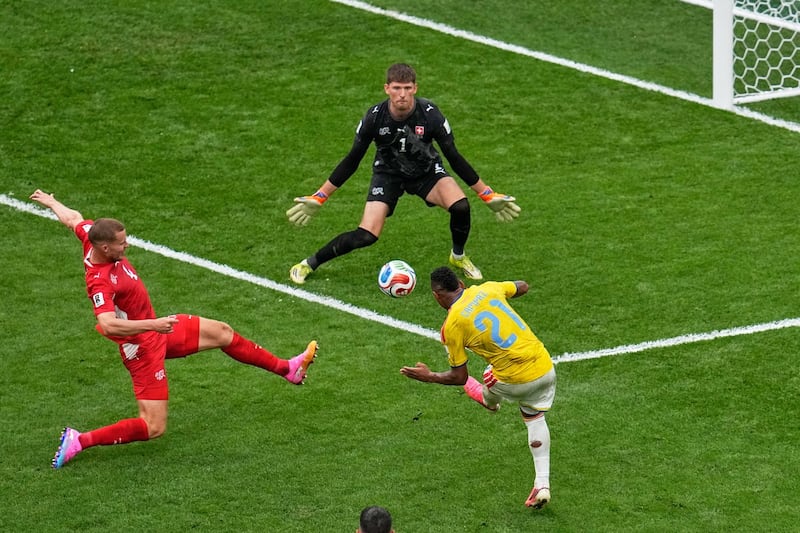
GK - Gregor Kobel (Switzerland)
For the first time in six major tournaments, Switzerland has somebody other than Yann Sommer as its No. 1 and Gregor Kobel starred when called upon. The Borussia Dortmund keeper starred in the team’s penalties win over Colombia in the Round of 16, making a number of fine saves in the scoreless draw, before stoning Cucho Hernandez on the decisive penalty to put Switzerland into the quarterfinals for the first time ever. At 28, Kobel has a bright international future ahead of him and should be a fixture in this Switzerland side moving forward.
Honourable mentions: Vozinha (Cabo Verde), Orlando Gill (Paraguay) and Unai Simon (Spain)
--
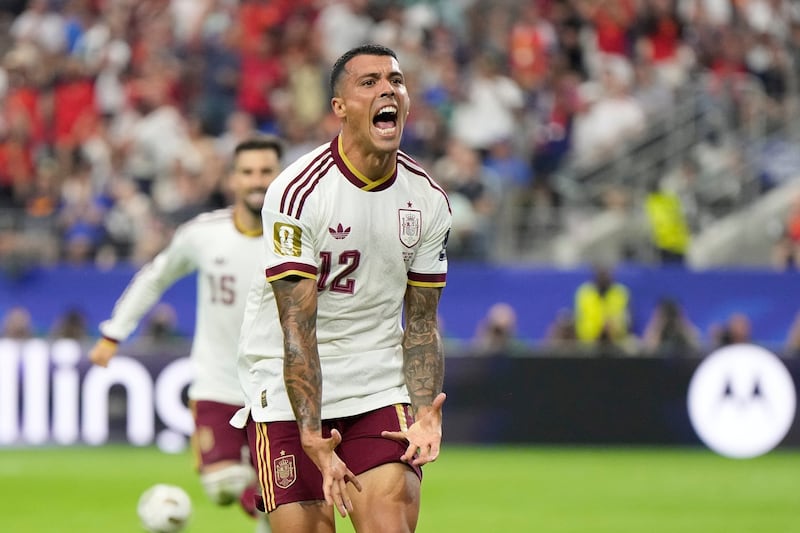
RB - Pedro Porro (Spain)
The right side was deadly for Spain over the course of the World Cup and a big reason why La Roja reached Sunday’s Final. A huge part of that has been Pedro Porro. The Tottenham Hotspur right-back’s rapport with Lamine Yamal saw plenty of crossover between the two players on the flank and that spelled trouble for opposing defences. While Porro scored his team’s second goal against France in the semi-finals with a poacher’s aplomb, he’s also been able to track back and aid in Spain’s tournament-best defence. It’s been a breakout performance for the 26-year-old Rayo Vallecano academy product. With Spain’s win, Spurs becomes the first Premier League team with players winning three straight World Cups (Porro, Cuti Romero in 2022 and Hugo Lloris in 2018).
Honourable mentions: Achraf Hakimi (Morocco), Jules Koundé (France) and Djed Spence (England)
--
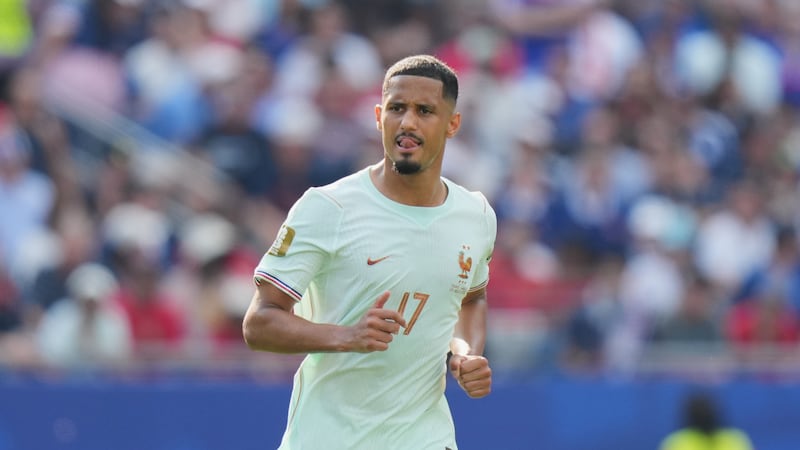
CB - William Saliba (France)
France didn’t lose to Spain in the semis because William Saliba got hurt a half-hour in, but it certainly didn’t help their cause any. Still only 25, the Arsenal man is as steady as they come in the back and acted as a vital conduit between Mike Maignan and the midfielders in front of him. The captain’s armband could be in his future.
Honourable mentions: Licha Martinez (Argentina), Pau Cubarsi (Spain) and Davinson Sanchez (Colombia)
--
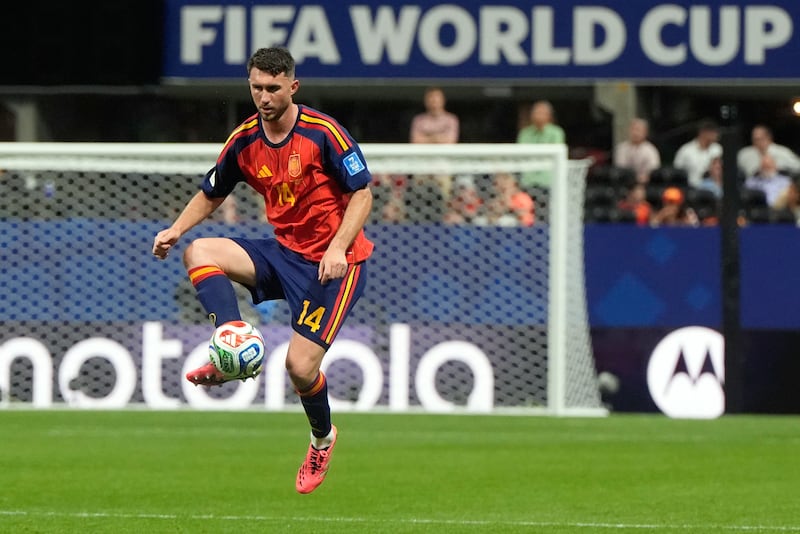
CB - Aymeric Laporte (Spain)
Spain’s central defensive pairing had the biggest age gap in the tournament with 19-year-old Pau Cubarsi partnered with the 32-year-old wily veteran Aymeric Laporte and it couldn’t have gone better for Luis de la Fuente. While Spain conceding only a single goal over the tournament was a team effort, Laporte’s leadership and ability to get in sync with Cubarsi made life for Unai Simon easy. And it wasn’t strictly defensively where the Athletic Club centre-back excelled. Laporte’s distribution of the ball pitch vision got the Spanish attack moving up field.
Honourable mentions: Cuti Romero (Argentina), Marc Guéhi (England) and Dayot Upamecano (France)
--
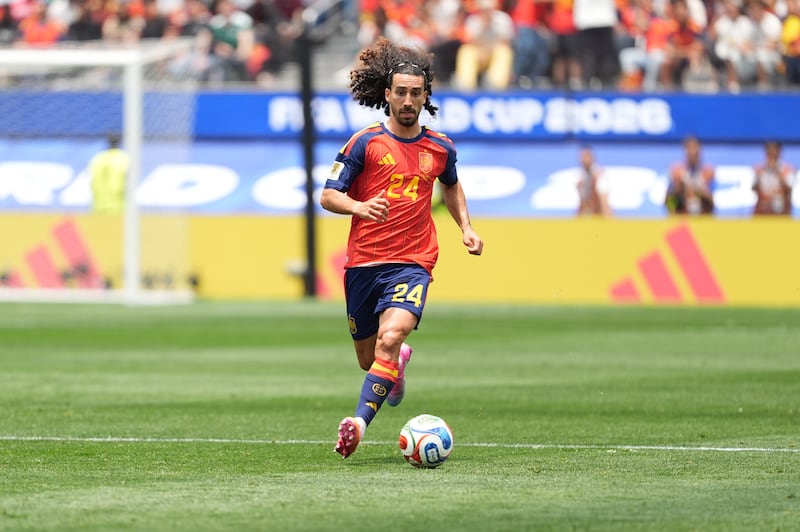
LB - Marc Cucurella (Spain)
Much like Pedro Porro on the other side of the pitch, Marc Cucurella was a danger on both sides of the ball. Best known for his attacking prowess, Cucurella proved he’s hardly a liability defensively, getting quickly back in position after one of his many sorties forward. A durable player who competes with a bit of an edge to his play (that is, he can be super annoying to play against), Cucurella ensured it would be he who dictated the pace on the left side of the field.
Honourable mentions: Nuno Mendes (Portugal), Nico O’Reilly (England) and Ricardo Rodriguez (Switzerland)
--
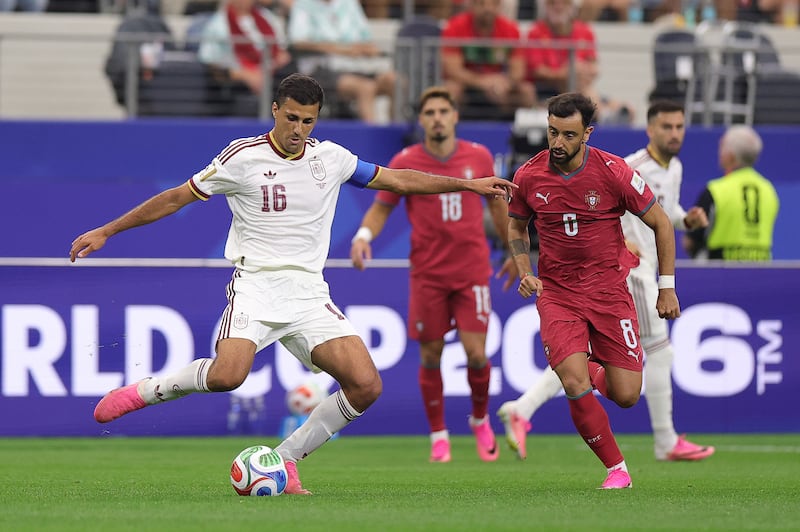
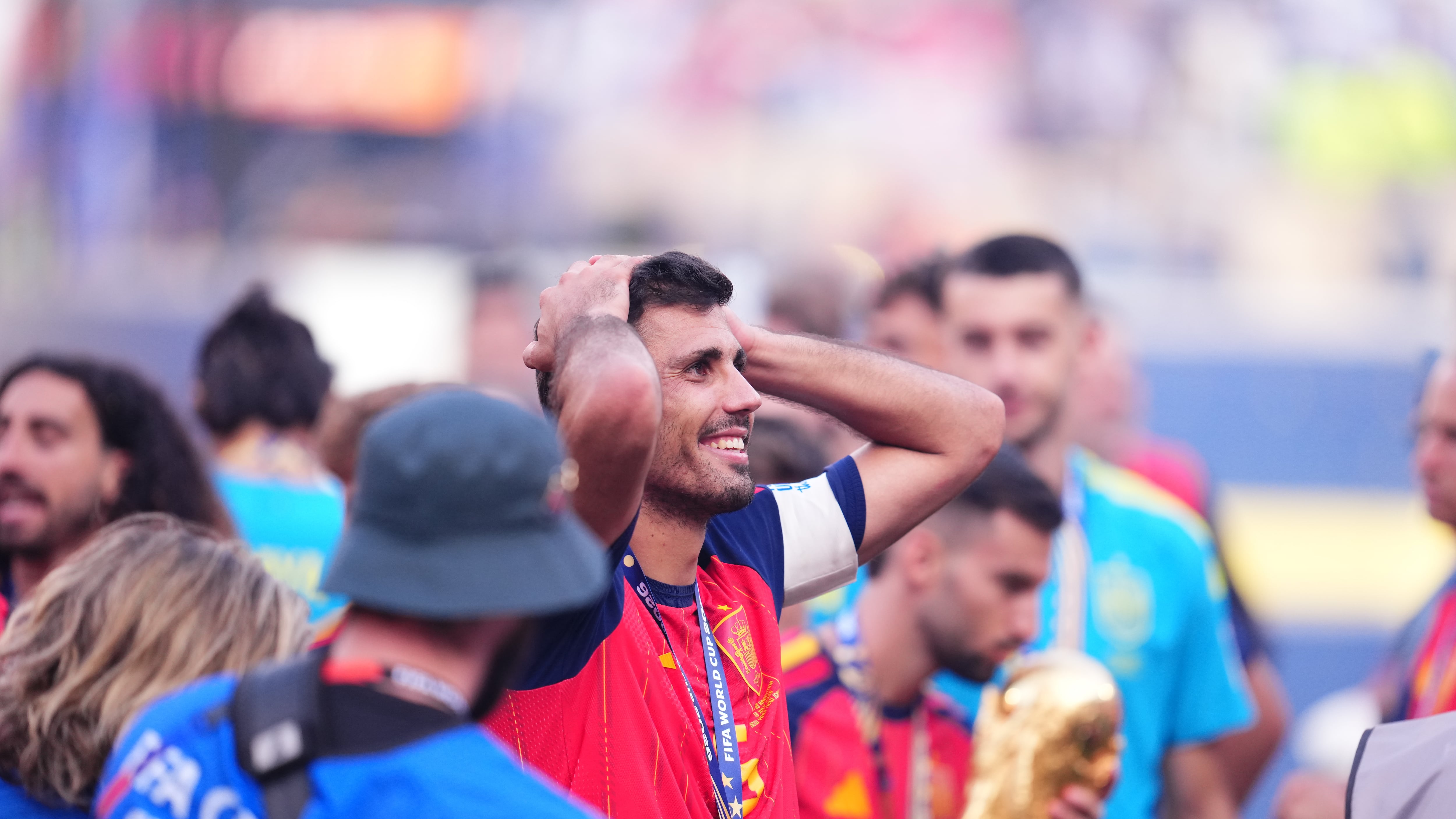
MF - Rodri (Spain)
The straw that stirred the drink for Spain at Euro 2024 has done more of the same at the World Cup, earning himself the Golden Ball as the tournament’s best player. If Rodri has been in the midfield during this tournament, he’s owned it. Spain’s ability to neutralize opponents’ attacks has been facilitated by the Manchester City man’s ability to control the tempo of the match, shutting down both France and Argentina to win the tournament. In winning the European championship two summers ago, Rodri set himself up to win the Ballon d’Or later that year. Another Ballon d’Or could be in the 30-year-old Rodri’s future.
Honourable mentions: Martin Ødegaard (Norway), Elliot Anderson (England) and Youri Tielemans (Belgium)
--
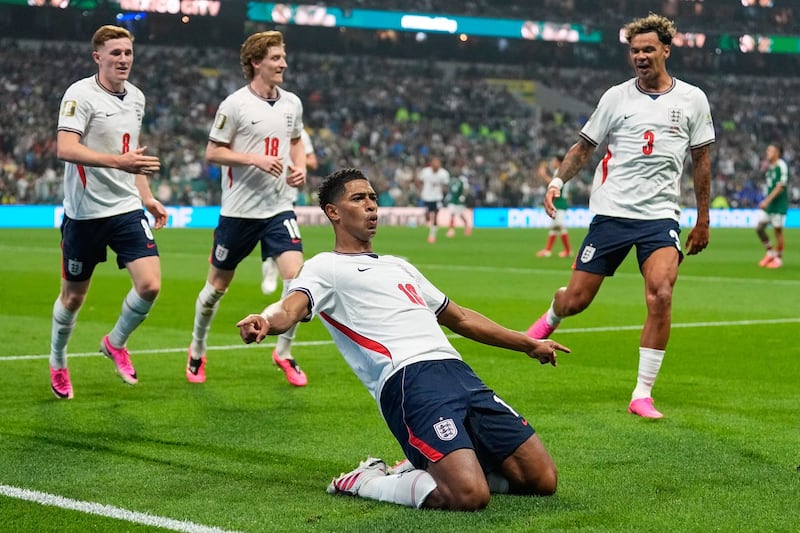
MF - Jude Bellingham (England)
When he was at his best during this World Cup, which was often, Jude Bellingham was the best player in this tournament. While England’s performances were uneven over the course of their seven-match run to the semis, Bellingham had the innate ability to grab his team by the scruff of the neck and pull them over the line. An intelligent player who plays the game with his heart on his sleeve, Bellingham almost willed the Three Lions into their first World Cup Final in 60 years. Heading into the tournament, there were more than a few voices calling for Thomas Tuchel to leave the Real Madrid midfielder at home. Simply put, Bellingham made them look like idiots.
Honourable mentions: Johan Manzambi (Switzerland), Roberto Alvarado (Mexico) and Enzo Fernandez (Argentina)
--
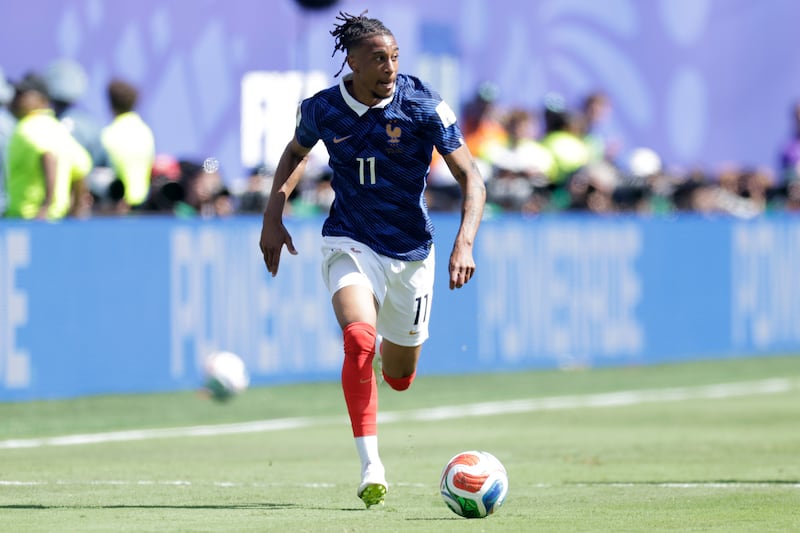
MF/W - Michael Olise (France)
Michael Olise’s final meaningful game at the World Cup, France’s 2-0 semifinals loss to Spain, was undoubtedly his worst match of the tournament, but that shouldn’t cast a pall over what was a coming-out party for the London-born attacker on the world stage. Dangerous almost every time the ball was on his feet, the Bayern Munich assists machine was a terror to opposing defences. The Reading academy product followed up a 19-assist season in the Bundesliga with seven at the World Cup to overtake Pele for a new tournament record.
Honourable mentions: Ismaïla Sarr (Senegal), Lamine Yamal (Spain) and Yan Diomande (Côte d’Ivoire)
--
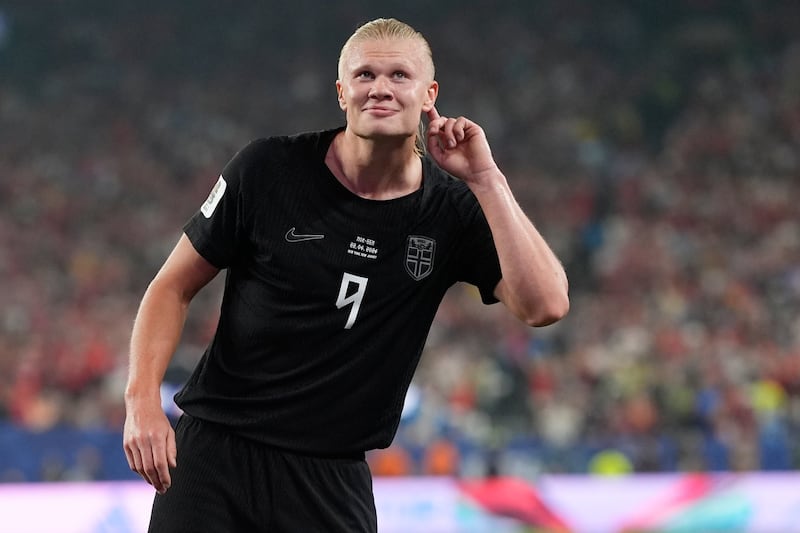
FW - Erling Haaland (Norway)
North America fell in love with Erling Haaland over the course of Norway’s six games. The breakout star of the World Cup, Haaland was an inevitability. The lanky Manchester City attacker was central to an unprecedented World Cup run for Norway, scoring seven goals, including a brace in the memorable 2-0 win over Brazil in the Round of 16. The question going into the tournament about Haaland was if he could replicate his club performances for his country on the biggest stage. He answered that question very quickly and definitively.
Honourable mentions: Harry Kane (England), Julián Quiñones (Mexico) and Brahim Diaz (Morocco)
--
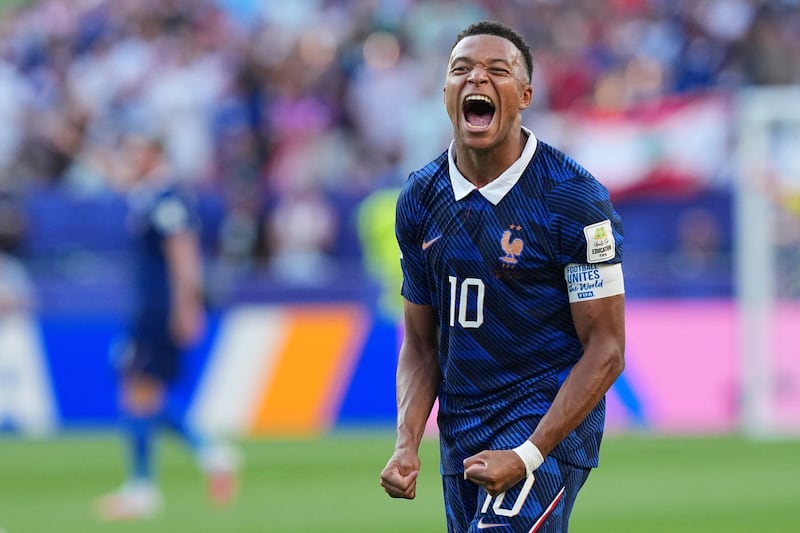
FW - Kylian Mbappé (France)
With 10 goals at the World Cup, Kylian Mbappé became the first man to ever win two Golden Boots and he did so by winning two in a row, matching his feat from Qatar 2022. Mbappé did what he does best throughout the tournament, combining his prodigious skill with an irrepressible motor, to spearhead the deadly French attack. Passing Olivier Giroud to become Les Bleus’ all-time leading scorer during the tournament, the 27-year-old Mbappé is now the World Cup’s all-time leading scorer with 22.
Honourable mentions: Ismael Saibari (Morocco), Vini Jr. (Brazil) and Leandro Trossard (Belgium)
--
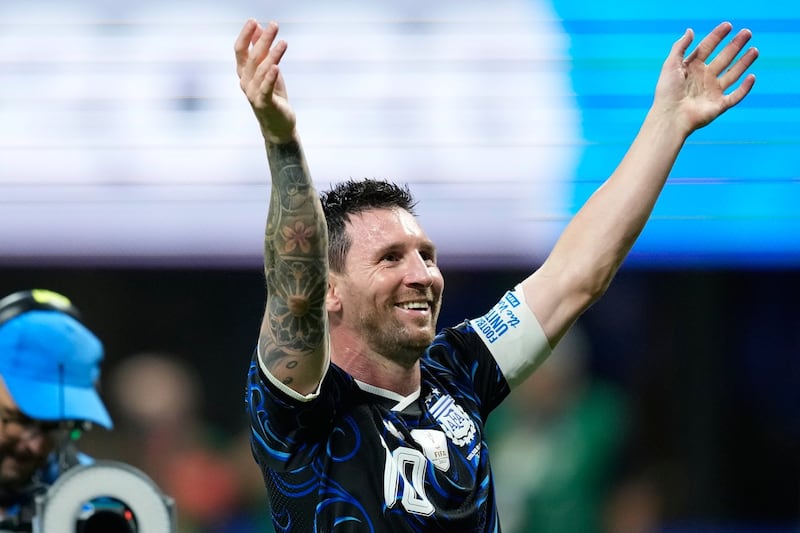
FW - Lionel Messi (Argentina)
Who else? What more can you possibly say about the man who might very well be the greatest player to ever lace up a pair of boots? The tournament ended in tears for Messi as Argentina couldn’t become the first team in 64 years to win two straight World Cups. But Messi was a phenom with eight goals and he became the tournament’s all-time leader in assists at 12 with four more in 2026. While Messi’s goals and assists were impressive on their own, it’s his sense of occasion that makes him what he is. Messi created when he was needed most, like his tying goal against Egypt in the Round of 16 and his two assists to help the Albiceleste to come from behind to stun England in the semis. The best players come to life on the biggest stages and Messi has done just that, thriving in the spotlight that follows him wherever he goes. It’s been yet another performance for the ages in a career full of them and it’s truly hard to believe this man just turned 39. He is one of one.
Honourable mentions: Mikel Oyarzabal (Spain), Ousmane Dembélé (France) and Charles De Ketelaere (Belgium)