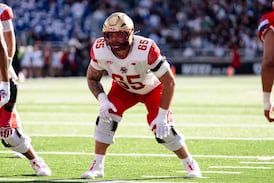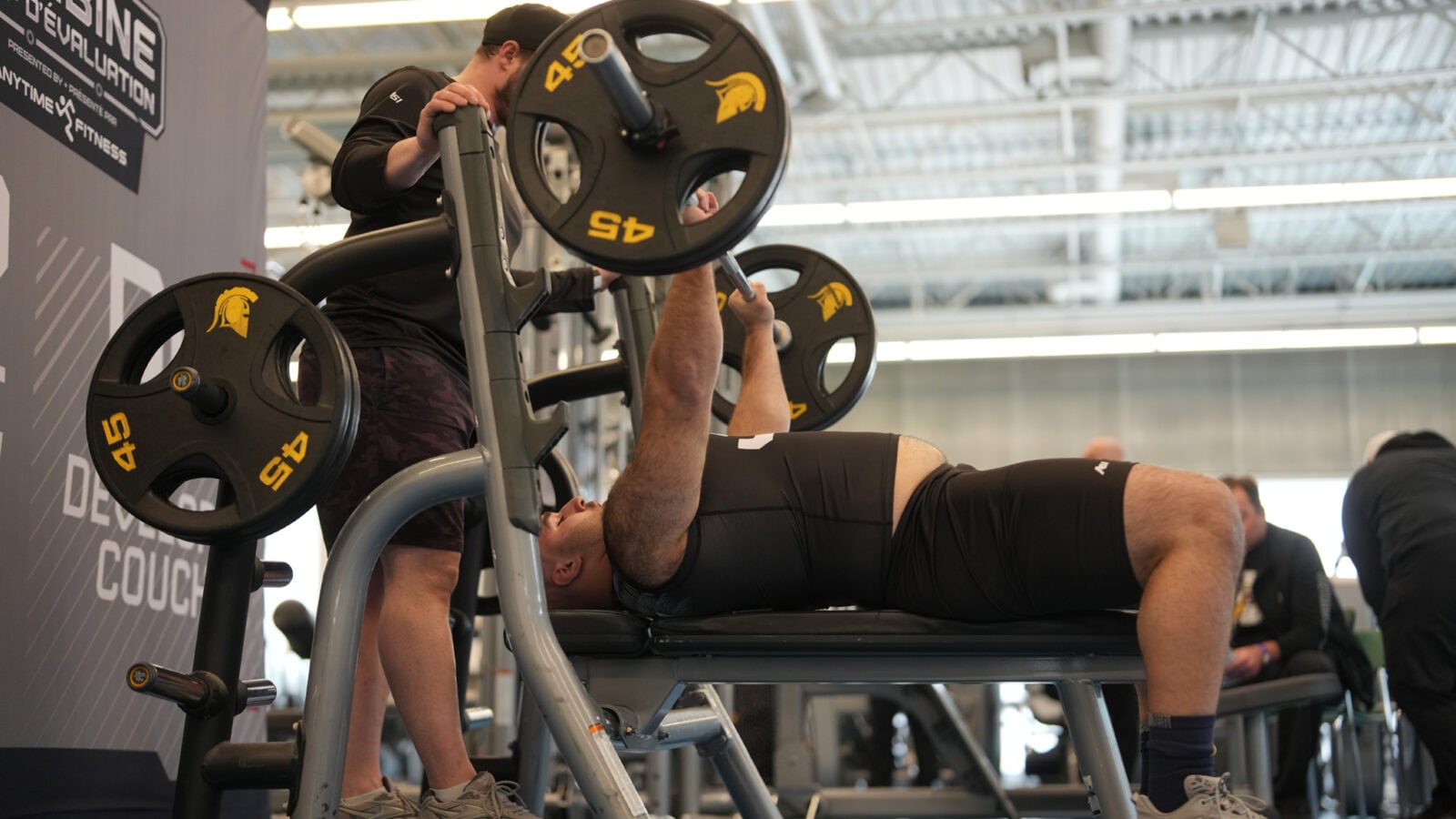
Under the Canadian Football League (CFL) Drug Policy for Combine athletes, three prospects who participated in the League’s combine Season will have their draft years deferred to 2027 and they will be ineligible to sign a CFL contract for one calendar year.
At the CFL Invitational Combine on Mar. 6, offensive lineman Mahdi Hazime from New Mexico Highlands University tested positive for Metandienone, Clostebol, Drostanolone, Nandrolone and Exogenous Testosterone, all of which are classified under S1.1 Anabolic Androgenic Steroids on the Prohibited List. Defensive lineman Cameron Michaud from Bluefield State University also tested positive for Exogenous Testosterone at the event.
At the CFL Combine from Mar. 27-29, Global prospect Jack Low from Fordham University tested positive for SARM LGD-4033 (Ligandrol), which is classified under S1.2 Other Anabolic Agents on the Prohibited List.
The CFL Drug Policy for Combine athletes applies to all prospects who participate in CFL Combine Season. In total, 85 per cent of all participants underwent anti-doping testing before, or on-site during, the Combines.
A first failed test, regardless of the number of banned substances, results in draft eligibility being deferred one year and the inability to sign a CFL contract for one calendar year. A second failed test prior to signing a CFL contract results in a lifetime ban from the league.
If a prospect with a violation of the CFL Drug Policy for Combine athletes is drafted or should they sign a CFL contract, the violation carries forward and is considered a first offence under the CFL/CFL Players’ Association joint drug policy.
Prospects Hazime, Michaud and Low will be eligible for selection in the 2027 CFL Canadian Draft or CFL Global Draft, and they will be eligible to sign a CFL contract at the conclusion of their respective 2027 drafts.